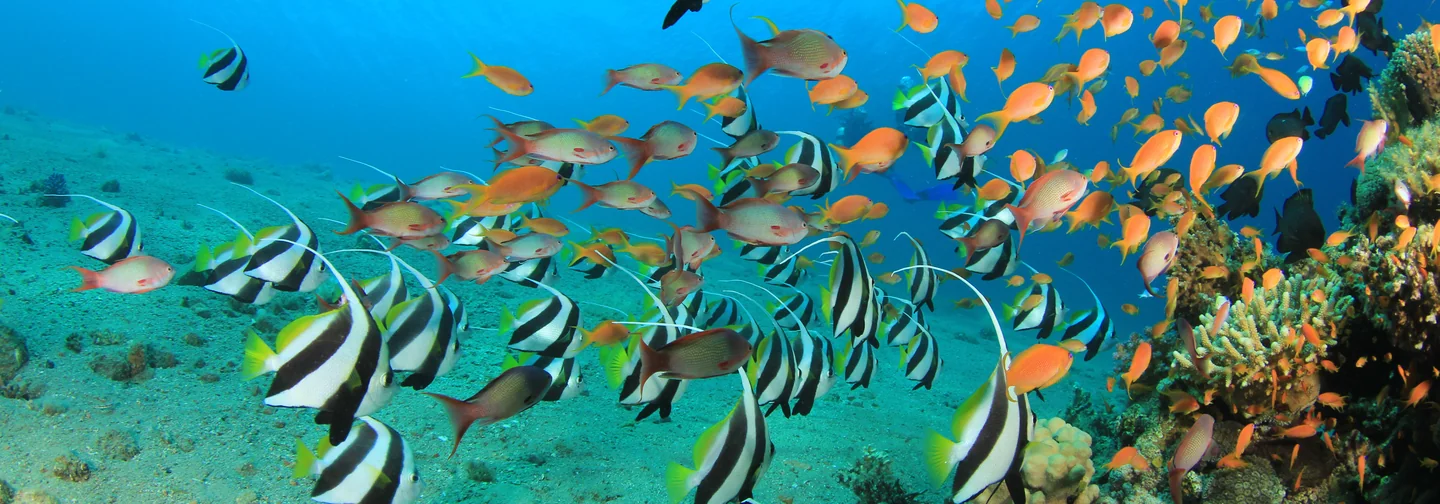
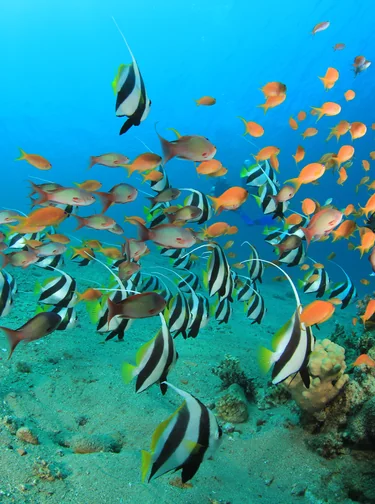
Guadeloupe is a leading destination for scuba diving and snorkelling. Its sea bed shelters rich biodiversity. You will find coral reefs, sponges and sea turtles, as well as many tropical fish. Several wrecks are also part of the ecosystem.
Here are the main spots in the archipelago to plan your diving stay in Guadeloupe.
The Cousteau Reserve (Basse-Terre): dive sites for all levels
Located opposite Malendure beach in the commune of Bouillante, the Cousteau Reserve includes the Pigeon Islets and nearly 1,000 hectares of protected marine area within Guadeloupe National Park.
It is a natural site that allows direct observation of the marine biodiversity of the Caribbean. It is accessible at different levels of experience, from introductory dives to experienced divers. Dive clubs in Bouillante will help you discover the main points of interest of the dive site:
- The Jardin de Corail and the Jardin Japonais: areas for observing underwater flora.
- The wrecks: the Franjack and the Gustavia.
- Pointe Barracuda: terrain well suited to observing endemic species.
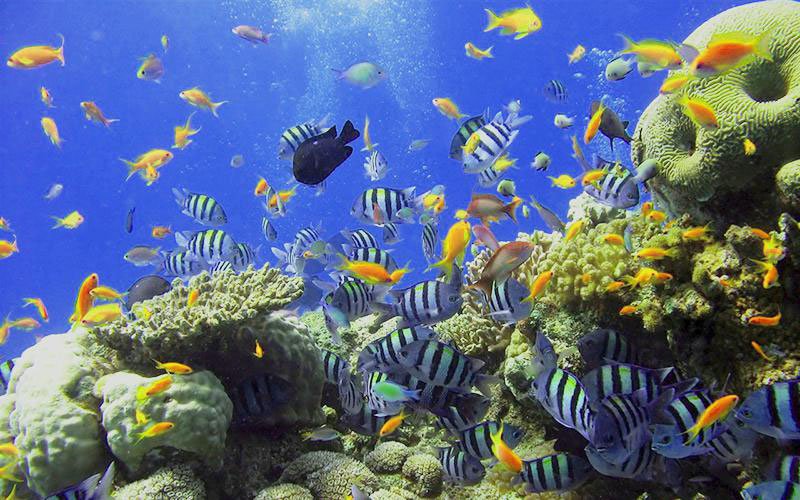
The diversity of the sea bed at Deshaies
The Deshaies area, in north-west Basse-Terre, offers a wide variety of underwater topography. The îlet Fajou in particular lets you see rays, turtles and rich reef wildlife. Other remarkable sites in the area:
- Pointe Batterie: a crescent-shaped coral mass.
- Gros Morne: coral blocks sheltering dense bottom-dwelling fauna.
- Pointe Ferry: a sloping coral formation frequented by spiny lobsters.
- Morphy and Pointe aux Fous: favoured sites for observing turtles.
- Stanior: a deep-dive spot, between 20 and 30 metres.
The Grand-Cul-de-Sac-Marin Reserve
Located between the west coast of Grande-Terre and the north coast of Basse-Terre, this vast bay has been classified a UNESCO Biosphere Reserve since 1994.
Sheltered from the swell by a long coral barrier, the area has calm conditions that favour aquatic life (gorgonians, starfish, crabs, turtles). Departures are generally from Sainte-Rose, Port-Louis or Le Gosier.

Diving around Grande-Terre: Saint-François and Petite-Terre
- Saint-François: The lagoon offers translucent water, ideal for watching multicoloured fish, rays, reef sharks and green turtles.
- Petite-Terre Reserve: Off Saint-François, this protected natural area attracts marine species. You can see pelagic and coastal species, such as lemon sharks and nurse sharks. Many turtles also come, drawn by the seagrass beds. Pods of bottlenose dolphins are occasionally seen.
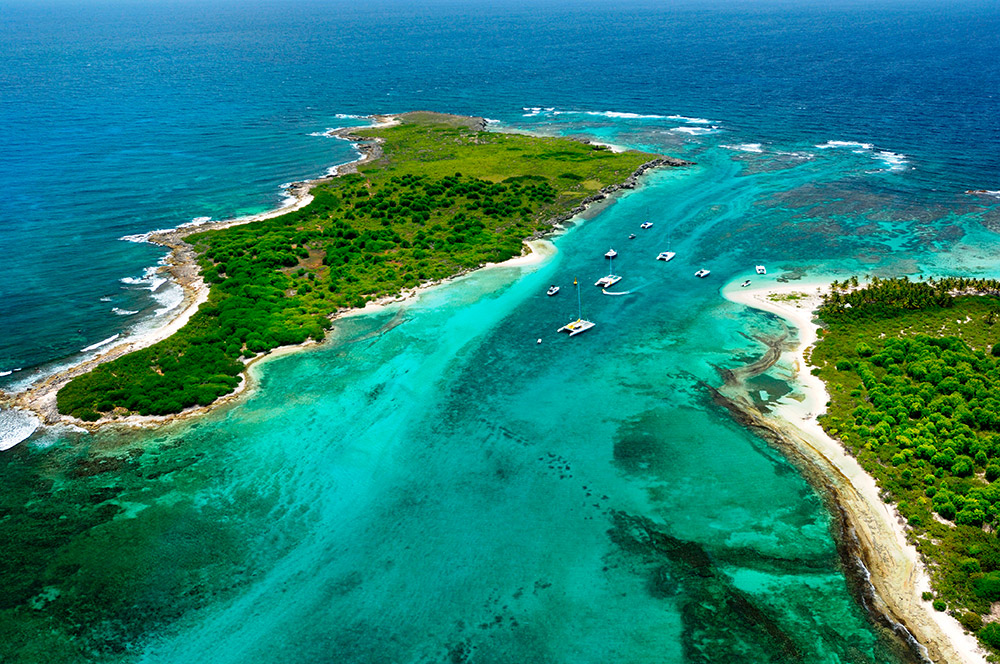
Le Sec Pâté (Terre-de-Haut, Les Saintes)
Strictly reserved for experienced divers (level 2 certification – Open Water Advanced minimum), Le Sec Pâté is an underwater mountain in the Saintes channel. The site is renowned for the richness of its ecosystem: coralline formations, whitetip sharks, royal angelfish, tuna and octopus. It is an essential stop for diving enthusiasts in Les Saintes.
Îlet Gosier for snorkelling
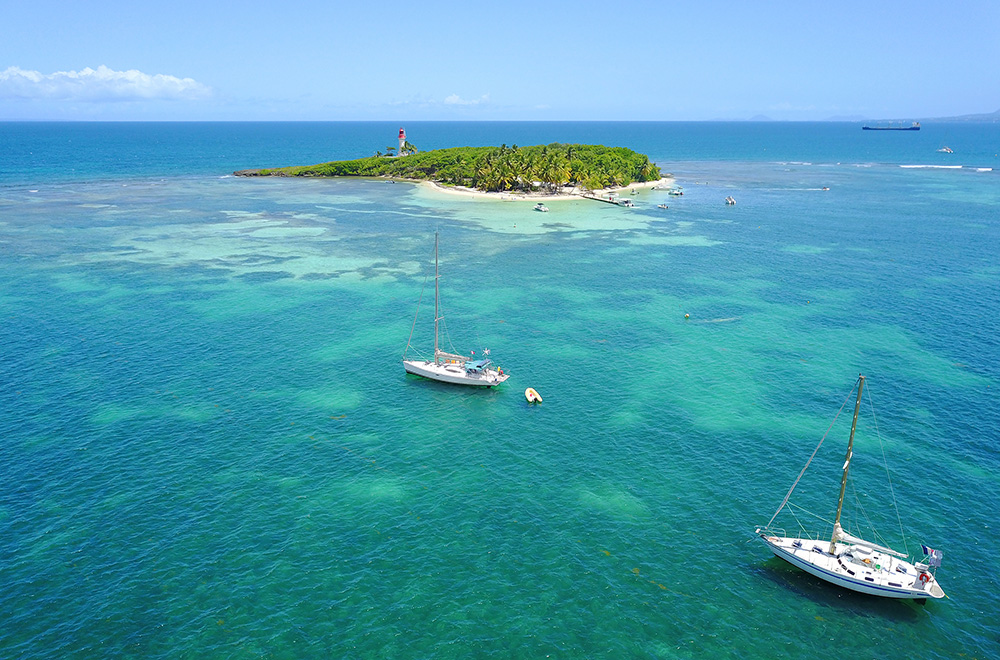
For a surface underwater walk (with mask, fins and snorkel), îlet Gosier offers shallow water that makes it easy to explore the reefs. You can see very rich underwater wildlife: moray eels, sea urchins and tropical fish.
Practical information and logistics from Jardin Malanga
To make it easier to organise your dives in the Caribbean Sea, it is important to allow for travel times on the island. Note that the water temperature in Guadeloupe generally ranges between 27°C and 29°C all year round.
- Direct access to Les Saintes: Jardin Malanga is in Trois-Rivières, only 10 minutes by car from the ferry terminal. It is a strategic starting point for reaching Terre-de-Haut first thing in the morning and planning a dive at Le Sec Pâté.
- Heading for the Leeward Coast: To reach the dive clubs of the Cousteau Reserve at Malendure, allow about 45 minutes by road from our estate.
- Day excursions: Spots in northern Basse-Terre (Deshaies, Sainte-Rose) or on Grande-Terre (Saint-François) require between 1 and 1.5 hours of travel. We recommend planning these dives as a day excursion.
Plan your stay at Jardin Malanga
After the intensity of your diving explorations in the Guadeloupe archipelago, return to the intimate, green setting of Jardin Malanga. Nestled in the hills of Trois-Rivières, the estate invites you to switch off completely beside its infinity pool, facing the exceptional panorama of the Saintes archipelago.
Whether you choose the historic elegance of our Maison Créole, the comfort of the Signature Suite or the charm of our Chambres Héritage, extend your escape in a peaceful atmosphere.
Our team is entirely at your disposal to recommend the best dive clubs in Guadeloupe and tailor every detail of your Guadeloupean stopover.
EXPLORE OUR ARTICLES
Basse-Terre: the top 5 stretches of sand not to miss
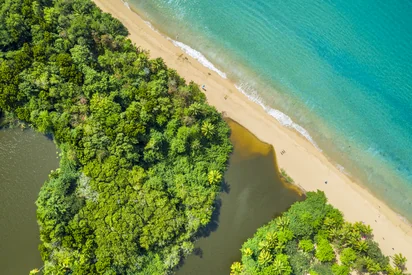
The beaches of Basse-Terre are not postcard-perfect white sand beaches, but they are well worth the detour. Wilder and more authentic than the beaches of Grande-Terre, with sand ranging from gold to brown and black and avenues lined with almond and coconut trees, they are perfect for total relaxation.
Top 10 most beautiful beaches of the Guadeloupe islands
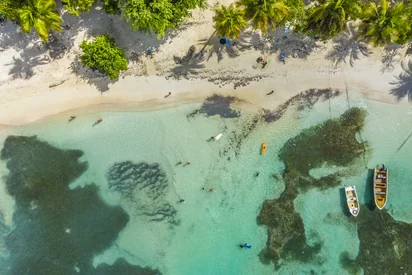
From white sand to golden sand, the beaches of the archipelago will make you dream. Translucent water at 26°C all year round, lagoons, and beaches ideal for surfers. Here are the 10 most beautiful beaches of the Guadeloupe islands that you simply must know.