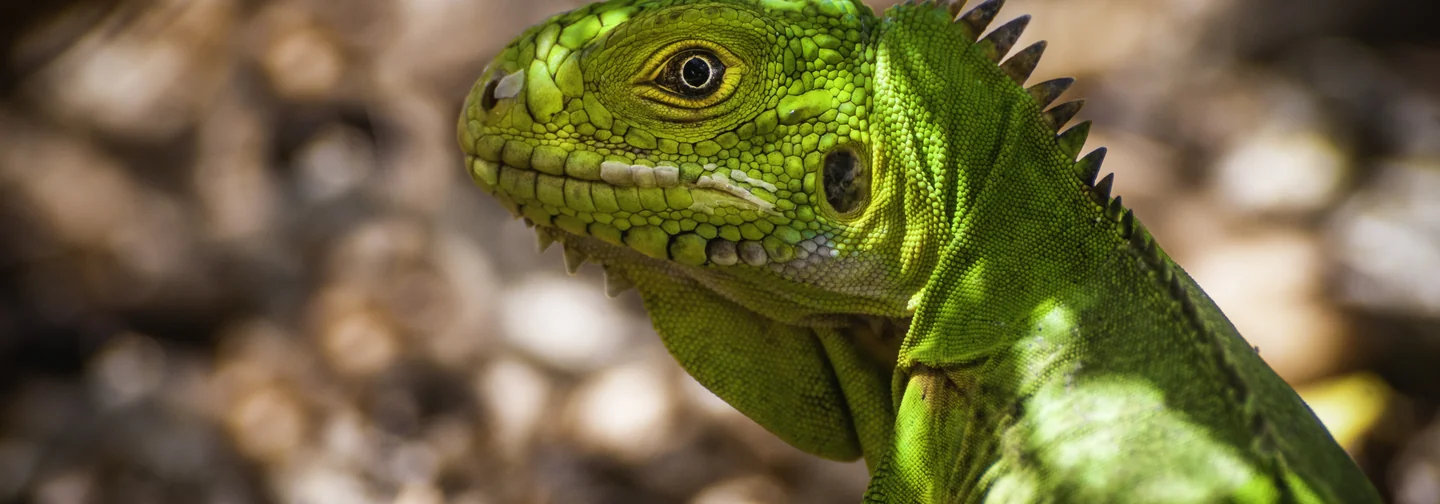
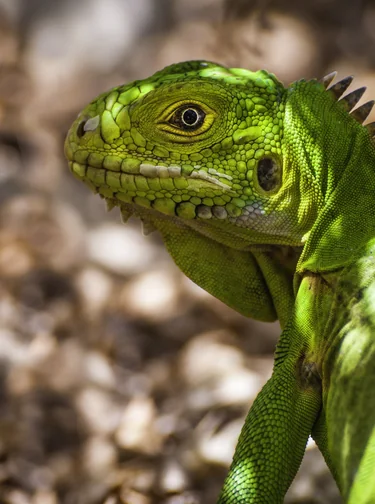
In Guadeloupe, nature is everywhere and wears a thousand faces. Every year, many visitors come to discover our island, and ecotourism is the form of travel to favour. Focused on protecting the environment and discovering the archipelago's natural riches responsibly, it lets you experience unique wildlife and flora while preserving nature. As a committed player, Jardin Malanga is proud to support the region's tourism development while helping to protect its exceptional biodiversity.
How to practise ecotourism in Guadeloupe: a few tips
Ecotourism covers all forms of eco-responsible travel and is defined by its focus on nature and traditional cultures. Visits favour the educational side and aim to protect and showcase the environment. Unlike ordinary tourism, ecotourism asks the traveller for an educational and responsible approach. It is about discovering nature and local culture while limiting the negative impact of your stay as far as possible.
Examples of good ecotourism practice include visiting, in small groups, natural places left untouched by mass tourism, such as the Ilet Caret Nature Reserve, the Carbet Falls, the Îles des Saintes or the Petite Terre mangrove. It is also worth choosing responsible accommodation, such as Jardin Malanga, and clean transport such as cycling or kayaking whenever possible.
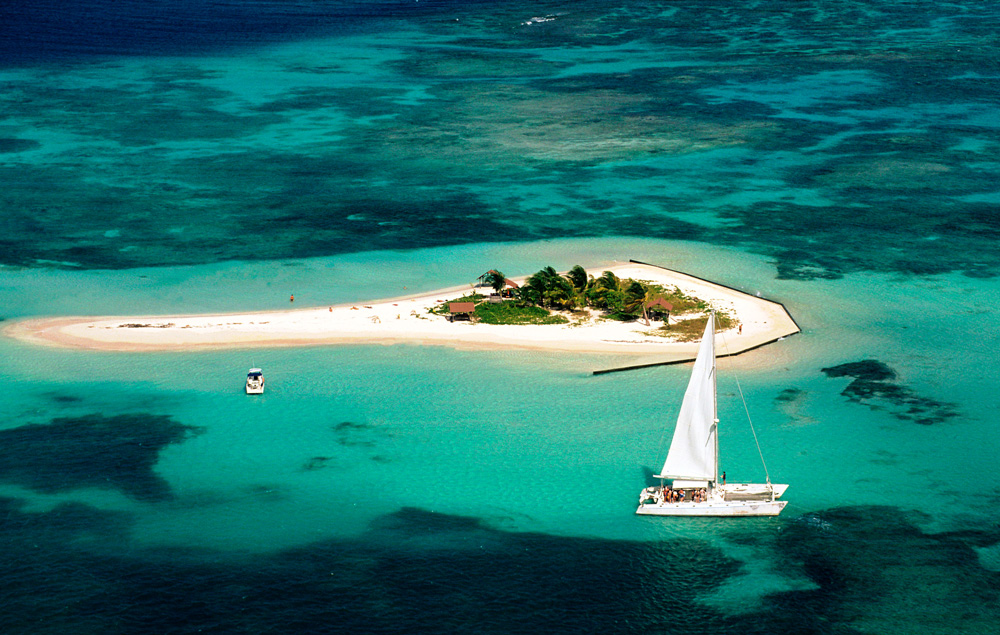
By following these principles, you help preserve the beauty and richness of Guadeloupe while enjoying an authentic experience that respects the environment.
Discovering wildlife and flora through ecotourism: an immersive experience
The Guadeloupe archipelago has three islands in addition to the essential Basse-Terre and Grande-Terre: Marie-Galante, Les Saintes (Terre-de-Haut and Terre-de-Bas) and La Désirade. Each has a character of its own to explore.
Guadeloupe National Park is a major player in ecotourism. It plays an essential role in protecting the archipelago's natural heritage. As well as maintaining biological diversity, it contributes to the sustainable development of the areas it covers. A signatory of the European Charter for Sustainable Tourism in Protected Areas since 2007, the park is actively committed to promoting environmentally friendly practices. In this protected setting you can discover some of the most emblematic sites of this overseas territory, such as the famous Cascade aux Écrevisses, a breathtaking natural spectacle. The Soufrière trail is another unmissable example: it leads to the summit of the volcano of the same name, with breathtaking panoramas over the whole island. The same goes for the Cousteau Reserve, renowned for its exceptional underwater world, where divers can explore some of the most beautiful coral reefs in the world.
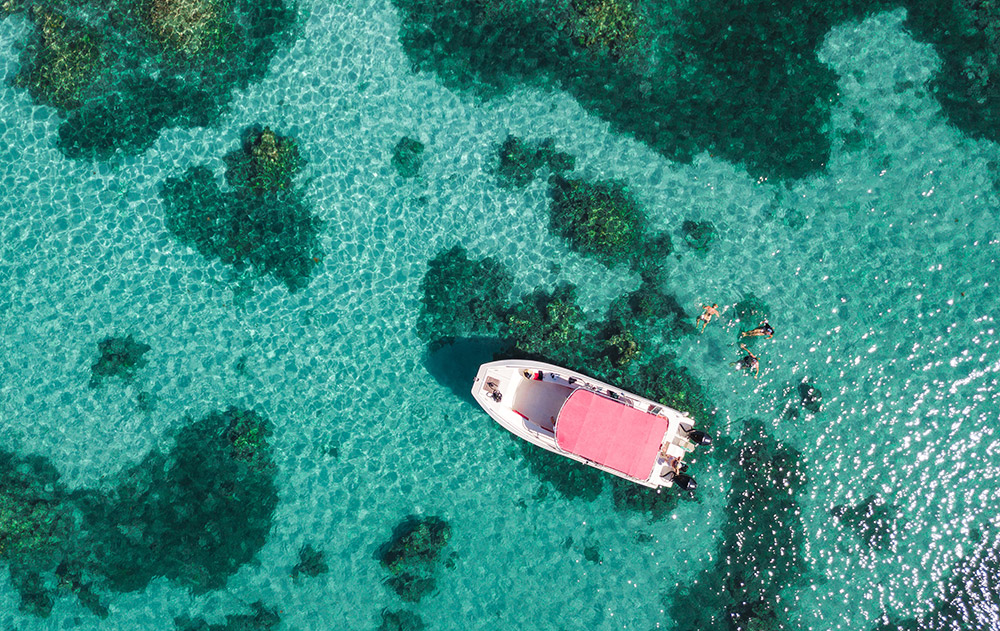
In the same ecotourism spirit, we recommend exploring the Grand Cul-de-Sac Marin Nature Reserve. This bay is a natural wonder, bordered by the longest coral reef in the Lesser Antilles and the largest belt of mangrove. There are plenty of ecotourism activities, offering total immersion in this haven of preserved biodiversity. Its crystal-clear waters shelter a host of colourful marine species, such as tropical fish, corals and even sea turtles. You can set out by kayak, paddleboard or snorkelling to explore the mangroves, ecosystems that are essential to the survival of many species: fiddler crabs, archerfish, fish fry, various birds and more. You can also go walking along the marked trails.
Guadeloupe: many players committed to sustainable tourism
As part of the promotion of ecotourism, Guadeloupe supports tourism businesses that work to respect and showcase the island's natural and cultural heritage. Since 1998, the “Marque de Confiance du Parc national de la Guadeloupe” label has recognised businesses that meet strict criteria, such as compliance with regulations, the use of renewable energy and the promotion of local cultural heritage. These businesses offer an authentic, personalised experience that lets visitors discover an unspoilt Guadeloupe.
This ecotourism approach allows holidaymakers to enjoy an enriching experience while helping to preserve Guadeloupe for future generations. By supporting these initiatives, you encourage responsible tourism that values the natural and cultural wealth of the archipelago.
Ultimately, ecotourism in Guadeloupe is much more than a tourist activity: it is a genuine commitment to protecting our unique natural heritage. Jardin Malanga is proud to contribute to this approach by offering its guests an enriching experience that respects the environment. By reconciling regional tourism development with the protection of nature, we aim to secure a sustainable future for Guadeloupe and its future generations.
EXPLORE OUR ARTICLES
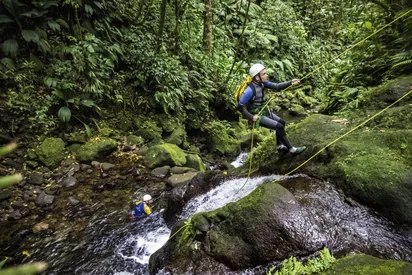
Aquarando in Basse-Terre: the best spots
In Basse-Terre, the mountainous region of Guadeloupe, aquarando offers a unique immersion in the heart of the tropical forest and its crystal-clear rivers. An original experience to enjoy during a stay in Guadeloupe, between wild nature and gentle thrills.
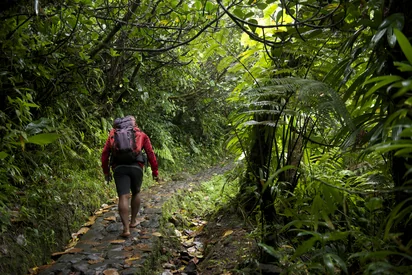
The most beautiful hikes in Guadeloupe: Basse-Terre
The Basse-Terre region of Guadeloupe is a true invitation to adventure for nature and hiking lovers. It is full of trails offering spectacular landscapes!
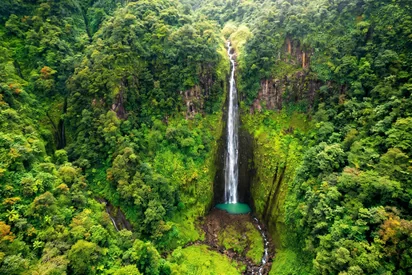
Discover the Carbet Falls in Basse-Terre
In the heart of Basse-Terre, the Grand Carbet river rises at 1,300 metres on the eastern slope of the La Soufrière volcano. It flows 11 km further down into the Atlantic Ocean, passing the spectacular Carbet Falls.
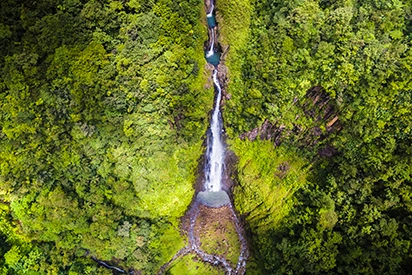
Waterfalls and rivers of Basse-Terre
The island of Guadeloupe forms a sort of butterfly. If you love nature, you must go to Basse-Terre (the western part of the island).